

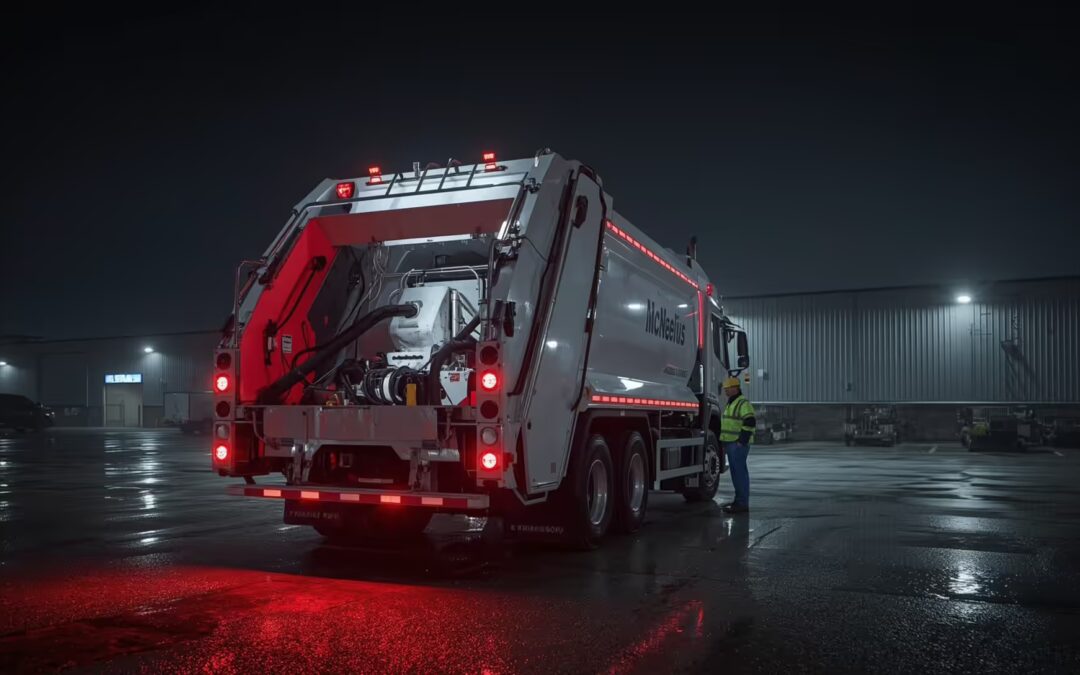
If you want a clear view of how garbage truck hire works in South Africa, this guide covers the full process step by step. You see what you need before hiring, how the hire period works, and what your supplier handles. This helps you plan your routes, control your costs, and match the right truck to your operation.
Garbage truck hire is simple. You get access to a ready-to-work truck without buying or maintaining it. You choose your truck type, request availability, and agree to a set period. Your supplier handles the technical side, and you focus on your routes and your clients.
Step 1 – Choose your truck type
Your first step is choosing the truck that fits your route. You can choose a rear loader, front loader, skip truck, or roll-on roll-off unit. Each truck type works for a different route structure. Rear loaders fit residential areas. Front loaders fit commercial bins. Skip trucks fit heavy waste on construction sites. Roll-on roll-off units move large containers. Choose the type that fits your bin sizes, crew size, and loading pattern.
Step 2 – Request availability
After choosing your truck type, you ask for availability. You give your dates, location, and route details. Your supplier checks what trucks are open for your period. You then get a quote. This quote depends on truck type, hire duration, distance, and support needs. Some companies hire for short periods. Others hire for seasonal peaks or long-term contracts.
Step 3 – Delivery or collection
You can collect the truck or ask for delivery. Most companies choose delivery because it saves time and avoids transport planning. Once the truck arrives, your team checks the basics, confirms the condition, and gets the truck ready for work. If you need your truck delivered to another site later, you can request that too.
Step 4 – Start your hire period
Once the hire starts, your truck runs on your routes. You load your bins, run your cycles, and handle your daily work. If your team needs help, you call the supplier. If you need route advice, load guidance, or help with hydraulic points, the team can assist. Your hire period includes basic support so you avoid downtime.
Step 5 – Support during the hire
Support during the hire is important. You get help with basic checks, hydraulics, and small adjustments. If something changes on your route, you can ask for advice. If a fault appears, the technical team can assist or guide your crew. Support keeps your cycle times stable and avoids delays. This is one of the main reasons companies hire instead of buying. You avoid surprise repairs.
Step 6 – End of hire
At the end of your period, you either return the truck or extend the hire. Many waste companies extend because they get stable running costs. Hiring also helps when you need to test a new route before buying a truck. If your workload increases, you can add more trucks without large upfront costs.
Why hiring is often easier than buying
Many contractors choose hire because buying a truck takes a big upfront cost. You also take on maintenance, parts, and downtime risk. With hire, you only pay for the period you use the truck. You stay flexible when your routes change. Your cash flow stays stable. You also get technical help without bringing in extra staff.
How your route affects the hire
Your route length, road condition, and bin types all shape your hire choice. Short routes suit rear loaders. Long commercial routes suit front loaders. Heavy routes suit skip trucks. High-volume sites suit roll-on roll-off units. When you know your route well, you make better hire choices, and your running costs stay predictable.
How to prepare before hiring
Before sending your request, gather your route details, bin types, route length, and daily volume. This helps your supplier match the right truck to your work. If you need a test run before a contract, you can request a shorter hire first.
If you want a clear view of the trucks available, see the main page:
Garbage Truck Hire in South Africa