

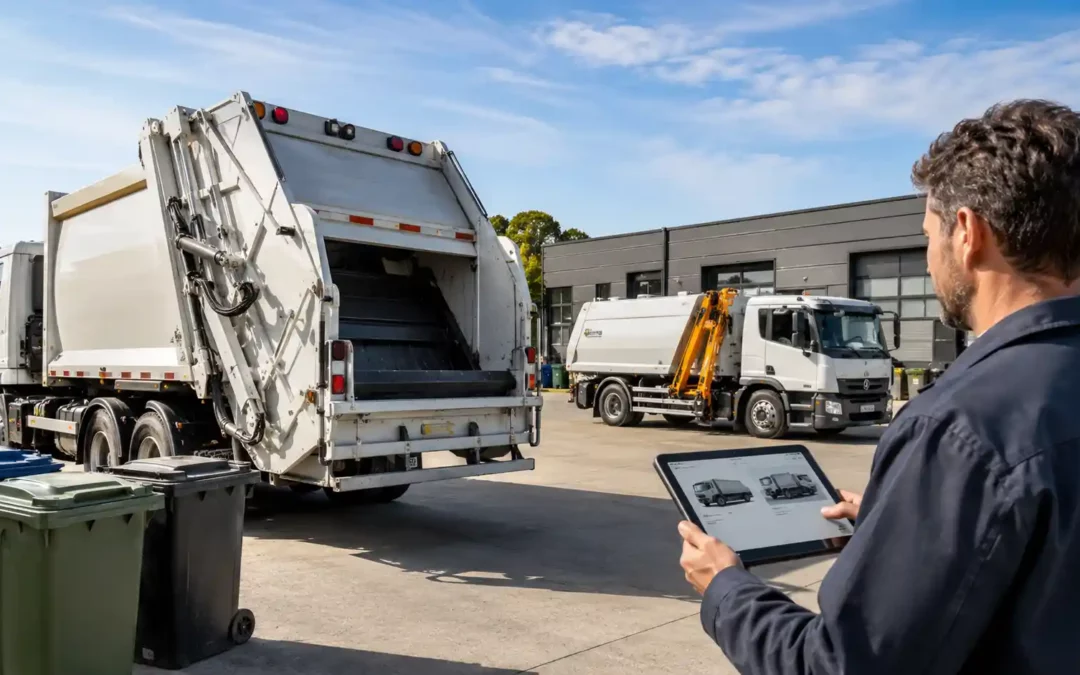
Choosing the Right Garbage Truck – A comprehensive guide
When choosing a garbage truck, several factors influence your decision. The right choice can enhance efficiency and reduce costs. This guide will help you navigate through various types, features, and considerations involved in making an informed choice.
Types of Garbage Trucks
Front Loader Garbage Trucks
Front loader garbage trucks are ideal for commercial waste collection. They feature large, open containers and hydraulic arms that lift bins from the front. This design allows for quick collection and is efficient for large volumes of waste.
Rear Loader Garbage Trucks
Rear loader garbage trucks are common for residential pickups. They have a rear compartment for waste and are loaded manually. This type is versatile and can maneuver in tighter spaces.
Side Loader Garbage Trucks
Side loader garbage trucks are equipped with arms that extend from the side to pick up bins. This design allows for automated collection, reducing labor costs. They are suitable for both residential and commercial use.
Roll-Off Garbage Trucks
Roll-off garbage trucks are used for transporting large containers or dumpsters. They are perfect for construction sites or large cleanouts. The containers can be easily loaded and unloaded, making them efficient for bulk waste removal.
Compaction Garbage Trucks
Compaction garbage trucks are designed to compress waste, increasing the load capacity. This feature is beneficial for areas with limited space for storage, as it reduces the number of trips needed for collection.
Factors to Consider When Choosing a Garbage Truck
Choosing a garbage truck involves assessing multiple factors to ensure it meets your operational needs.
Load Capacity
Evaluate the load capacity required for your operations. A truck with the right capacity minimizes the frequency of pickups, enhancing efficiency. Choosing a truck that is too small can lead to additional costs and operational delays.
Operational Efficiency
Consider how the truck’s design impacts operational efficiency. Features such as automated loading systems can significantly reduce labor costs and time. Assess your route and waste collection requirements to determine the best fit.
Terrain and Accessibility
The terrain where the garbage truck will operate affects its performance. Trucks designed for rugged terrains may have enhanced suspension and traction. Assessing the routes and accessibility will guide you in selecting the right truck.
Regulatory Compliance
Ensure the garbage truck complies with local regulations and emission standards. Non-compliance can lead to fines and operational setbacks. Research the regulations in your area to avoid potential issues.
Key Features of Garbage Trucks
Identifying key features can enhance the functionality and efficiency of a garbage truck.
Automated vs. Manual Loading
Automated loading systems can significantly increase efficiency by reducing manual labor. These systems allow for quicker pickups and can handle larger volumes of waste. However, they may come with higher upfront costs compared to manual systems.
Safety Features
Safety should be a priority when choosing a garbage truck. Look for features such as backup cameras, alarms, and stability controls to prevent accidents. Investing in safety features can protect your workforce and reduce liability.
Technology Integration
Modern garbage trucks often come equipped with technology that enhances operational management. GPS tracking and route optimization software can improve efficiency and monitoring. Evaluate the technology options available to find solutions that fit your needs.
Fuel Efficiency
Fuel efficiency is a key consideration that affects operating costs. Trucks with better fuel economy can reduce long-term expenses significantly. Research different models and their fuel consumption to make an informed choice.
Cost Considerations
Budgeting for a garbage truck requires understanding various costs associated with the purchase and operation.
Initial Purchase Price
The initial purchase price varies significantly between different types of garbage trucks. Ensure you compare features and capacities to justify the costs. Determine your budget and prioritize features that align with your operational needs.
Operating Costs
Consider ongoing operating costs, including fuel, maintenance, and insurance. These costs can add up over time and impact your overall budget. Calculate these expenses to have a clearer understanding of total ownership costs.
Financing Options
Many financing options are available for purchasing garbage trucks. Explore leasing, loans, or outright purchases to determine what fits your financial situation. Comparing terms and interest rates can lead to better financing choices.
Resale Value
Evaluate the potential resale value of the garbage truck. Trucks that maintain their value can provide a better return on investment. Research market trends and brand reliability to gauge future resale potential.
Environmental Impact
Considering the environmental impact of garbage trucks is increasingly important.
Emission Standards
Be aware of the emission standards for garbage trucks in your region. Trucks that meet or exceed these standards can help reduce your environmental footprint. Non-compliance can lead to fines and operational challenges.
Alternative Fuel Options
Consider garbage trucks that utilize alternative fuels, such as compressed natural gas (CNG) or electric. These options often produce fewer emissions and can lower operating costs. Evaluate the availability of fueling stations and infrastructure for alternative fuels.
Recycling Capabilities
Look for trucks designed for recycling collection. These trucks can facilitate better waste sorting and promote recycling efforts. Investing in recycling capabilities aligns with sustainability goals and can enhance community engagement.
Maintenance and Longevity
Regular maintenance is vital for the longevity and performance of garbage trucks.
Routine Maintenance Tips
Establish a routine maintenance schedule to prevent breakdowns. Regular checks on brakes, tires, and hydraulic systems can extend the truck’s lifespan. Keeping a maintenance log can help track service intervals and issues.
Signs of Wear and Tear
Be proactive in identifying signs of wear and tear. Look for unusual noises, leaks, or performance issues that may indicate underlying problems. Addressing issues early can prevent costly repairs down the line.
Choosing a Reliable Manufacturer
Select a reliable manufacturer known for quality and support. Research customer reviews and warranty options to gauge manufacturer reliability. A dependable manufacturer can provide peace of mind and support throughout the truck’s life.
| Option | Best For | Main Benefit | Main Trade-Off |
|---|---|---|---|
| Entry-level option | Basic needs | Lower upfront cost | Fewer features |
| Mid-range option | Balanced value | Good mix of quality and price | May still need add-ons |
| Premium option | High-demand use | Better durability | Higher budget |
Conclusion
Choosing a garbage truck involves careful consideration of various factors, from types and features to cost and environmental impact. Assessing your specific needs will guide you in making an informed decision. Investing the time to evaluate these aspects will lead to better operational efficiency and cost-effectiveness in the long run.
FAQs
What is the best type of garbage truck for small businesses?
For small businesses, rear loader or side loader garbage trucks are often the most suitable. They offer flexibility and efficiency for residential and commercial waste collection.
How do I determine the right size garbage truck for my needs?
Evaluate your waste volume and collection frequency. A truck that is too small will require more trips, increasing costs.
What are the benefits of automated garbage trucks?
Automated garbage trucks improve efficiency, reduce labor costs, and enhance safety by minimizing manual handling of waste.
How often should garbage trucks be maintained?
Garbage trucks should undergo routine maintenance every 3,000 to 5,000 miles, or as recommended by the manufacturer, to ensure optimal performance.